
Semester 1
Students begin at VGU or TU Darmstadt, depending on the assigned study location.
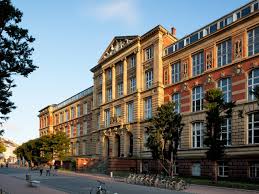
International study experience
Study Sustainable Urban Development across Ho Chi Minh City and FrankfurtRheinMain — with the second semester bringing the entire SUD cohort together at TU Darmstadt.
Germany in the SUD journey
SUD is a full-time, four-semester Joint Degree Master’s programme delivered by Vietnamese-German University and TU Darmstadt.
The programme uses two metropolitan regions — Ho Chi Minh City and FrankfurtRheinMain — as contrasting contexts for interdisciplinary learning about sustainable urban development.
Students begin at VGU or TU Darmstadt, depending on the assigned study location.
All students study together at TU Darmstadt.
The full cohort continues together at VGU.
Master’s thesis in Germany or Vietnam.
Your semester at TU Darmstadt
Semester 2 consists of five 6-CP modules, combining urban infrastructure, environmental systems, construction and building-scale sustainability.
Urban water supply, drainage, wastewater treatment, hydraulic engineering and water-resource challenges.
Waste-management systems and life-cycle thinking for assessing environmental impacts and resource use.
Planning, financing and assessing technical and social infrastructure systems under changing urban conditions.
Constructive, technical and ecological principles for resource-efficient and healthy buildings.
Construction organisation, scheduling, cost estimation, lean construction, safety and urban construction processes.
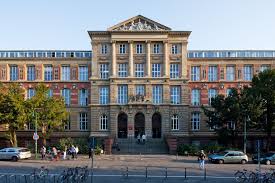
How learning works in Darmstadt
At TU Darmstadt, SUD modules are generally delivered as weekly courses across the semester rather than as short intensive blocks.
The programme FAQ describes approximately three contact hours per module each week, accompanied by about three hours of weekly self-study per module over roughly 13–15 weeks.
Beyond the classroom
Studying in Germany places SUD students within FrankfurtRheinMain — a metropolitan context for observing infrastructure, mobility, housing, environmental systems and urban transformation.
Use the FrankfurtRheinMain region as a comparative setting alongside Ho Chi Minh City to reflect on urban systems in different institutional and spatial contexts.
Work with students from different academic backgrounds and national contexts, an approach embedded in the design of the Joint Degree programme.
Students may independently pursue internships, competitions or working-student opportunities. These are not compulsory components of the SUD curriculum and are not arranged by the programme.
Living & learning in Darmstadt
Academic preparation is only one part of the move. Housing, health insurance, university services and arrival arrangements should be checked against the latest TU Darmstadt guidance.
TU Darmstadt advises international students to begin their housing search early. The university provides housing guidance, but accommodation is not automatically guaranteed.
Current housing guidance ↗TU Darmstadt’s International Student Services provides advice for international students, including orientation and administrative support.
International Student Services ↗The degree programme is taught in English. The SUD FAQ nevertheless recommends basic German for everyday life in Germany.
Check the official FAQ ↗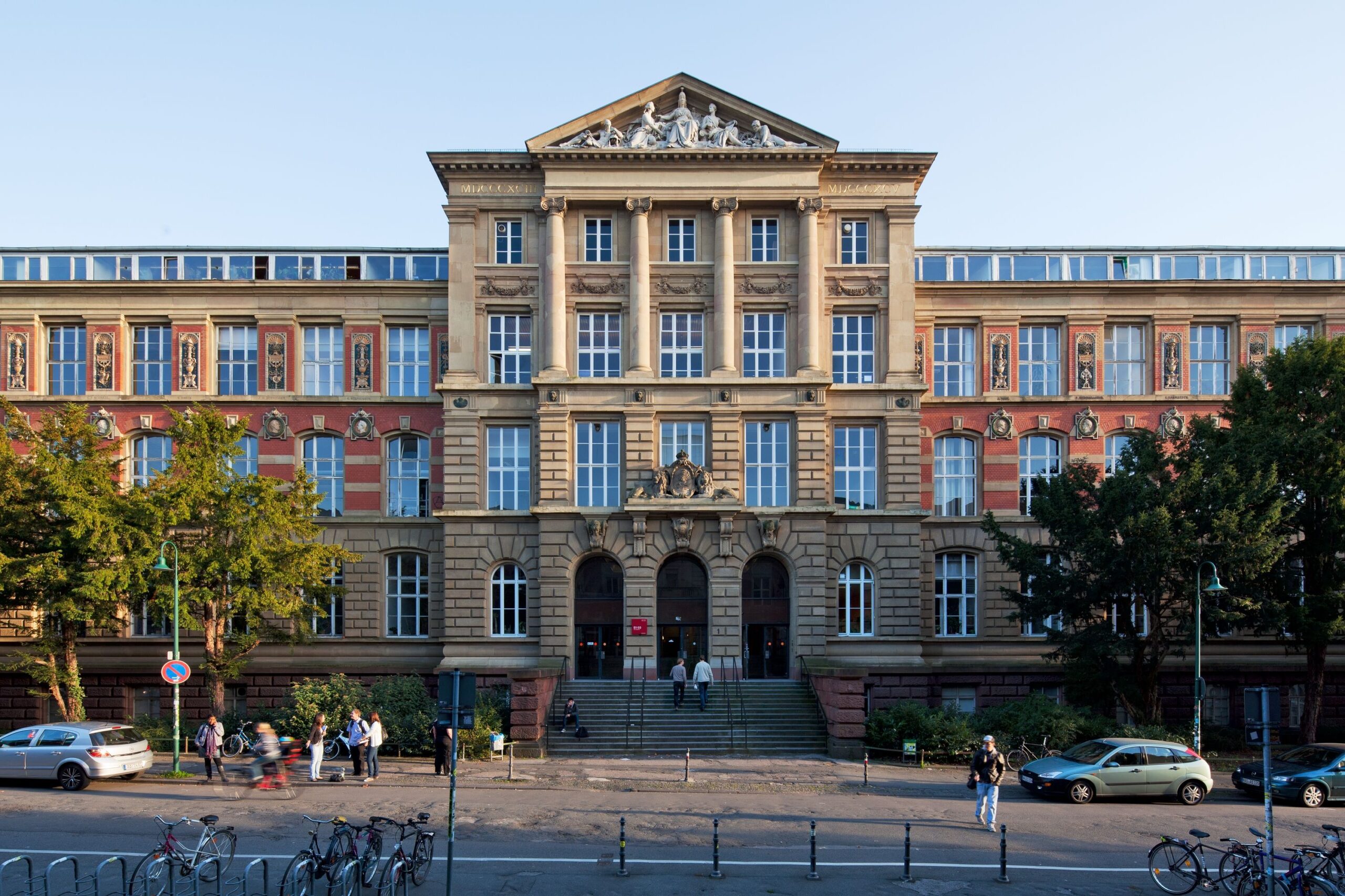
Continue your SUD journey
In Semester 4, students may choose to complete the 24-CP Master’s thesis in Germany or Vietnam. The thesis brings together the analytical, interdisciplinary and applied perspectives developed throughout the programme.
Official resources
Procedural information can change. For regulations, module details and practical guidance, use the official sources below.